
If you feel like the weather has become unpredictable lately, you’re not imagining it. Across India, people are experiencing scorching heatwaves followed by sudden thunderstorms within hours.
Cities like Ahmedabad are touching 44°C and above, while Delhi has seen intense heat followed by sudden rain and strong winds overnight.
This sharp swing between extreme heat and sudden weather changes is becoming more frequent — and it’s raising serious concerns about climate patterns in India.
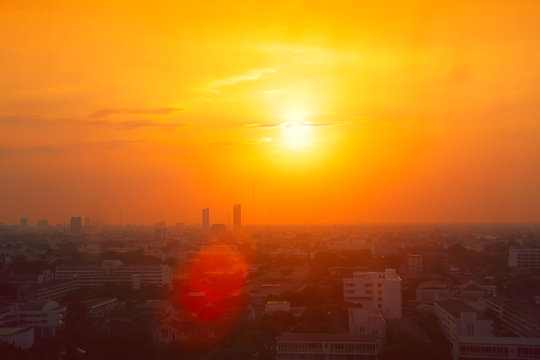
Ahmedabad: Heatwave Breaking Records
Ahmedabad is witnessing one of its hottest Aprils in decades.
- Temperatures have crossed 44°C multiple times in recent years
- The city recorded 44.8°C in April 2026, among the highest ever
- Continuous heat above 40°C lasted nearly 18 days
This isn’t normal. Earlier averages were around 41–42°C, but now peaks are rising consistently.
Delhi: Heat to Thunderstorms in Hours
Delhi shows the other side of this extreme pattern.
- Intense heatwaves pushed temperatures above 40°C
- Suddenly, thunderstorms, rain, and gusty winds hit the city
- IMD issued alerts for storms and dust winds
This kind of rapid shift — from extreme heat to rain within hours — is becoming more common.
Why Is This Happening?
1. Climate Change Is Intensifying Heat
India is seeing more frequent and stronger heatwaves due to global warming.
- Heatwaves are now more frequent and intense than before
- Temperatures crossing 45°C are becoming common in many regions
In fact, most of the world’s hottest cities recently have been in India — showing how severe the situation has become.
2. Urban Heat Island Effect
Cities like Ahmedabad and Delhi are heating faster because of:
- Concrete buildings absorbing heat
- Lack of green cover
- High traffic and pollution
This creates a “heat trap,” making cities hotter than nearby rural areas.
3. Western Disturbances & Atmospheric Changes
Sudden storms are often linked to Western Disturbances — weather systems coming from the Mediterranean region.
- These bring unexpected rain, winds, and thunderstorms
- When combined with heat, they cause rapid weather swings
This explains why Delhi can go from extreme heat to rain in just hours.
4. El Niño and Changing Monsoon Patterns
Scientists warn that El Niño may return in 2026, which can:
- Increase heatwaves
- Reduce monsoon rainfall
- Disrupt seasonal weather cycles
This adds another layer of unpredictability to India’s climate.
The Bigger Pattern: Extreme Weather Is Rising
Extreme weather events — heatwaves, storms, floods — are increasing globally.
- Climate-related events have nearly doubled since the 1980s
- India is especially vulnerable due to population density and rapid urbanisation
This means what we’re seeing now may not be temporary — it could become the new normal.
How These Weather Changes Affect You
Health Risks
- Heatstroke and dehydration
- Breathing issues due to heat + pollution
- Sleep problems due to hot nights
Daily Life Disruptions
- Power cuts due to high electricity demand
- Travel delays from storms
- Damage to crops and food supply
Economic Impact
- Higher electricity bills
- Reduced productivity
- Agricultural losses
Tips to Stay Safe During Heatwaves
Stay Hydrated
Drink water regularly — even if you don’t feel thirsty.
Avoid Peak Heat Hours
Stay indoors between 12 PM to 4 PM when heat is strongest.
Wear Light Clothing
Loose, light-colored clothes help reduce heat absorption.
Protect Your Head
Use caps, umbrellas, or scarves when outside.
Eat Light Meals
Avoid heavy, oily food during extreme heat.
Watch for Warning Signs
Symptoms like dizziness, nausea, or headache could indicate heatstroke — act quickly.
What About Sudden Storms?
When sudden weather changes hit:
- Stay indoors during thunderstorms
- Avoid open areas and tall trees
- Unplug electrical devices
- Follow IMD alerts and advisories
Why This Matters
India is at a critical point where climate change is directly affecting everyday life.
- Cities are becoming hotter each year
- Weather is becoming less predictable
- Risks to health, economy, and agriculture are rising
This is no longer just a scientific issue — it’s something impacting millions of people daily.
What Happens Next
Experts expect:
- More frequent heatwaves in coming years
- Stronger and sudden storms before monsoon
- Increased pressure on water and electricity resources
Governments are working on heat action plans and climate adaptation strategies, but long-term solutions will require:
- Better urban planning
- Increased green cover
- Strong climate policies
FAQs
1. Why are heatwaves increasing in India?
Because of climate change, rising global temperatures, and urbanisation, heatwaves are becoming more frequent and intense.
2. Why does weather suddenly change from heat to storms?
Weather systems like Western Disturbances interact with hot air, causing sudden thunderstorms and temperature drops.
3. Which cities are most affected?
Cities like Ahmedabad, Delhi, Rajasthan regions, and central India are currently facing extreme heat conditions.
4. Is this linked to climate change?
Yes, scientists strongly link rising extreme weather events to human-driven climate change.
5. Can extreme weather get worse in future?
Yes, unless emissions are reduced, extreme heat and unpredictable weather will likely increase.



0 Comments