
Strait of Hormuz Crisis in 2026 Raises Alarm Over Global Food and Fuel Supplies
The Strait of Hormuz conflict has quickly turned into one of the most serious global crises of 2026, with direct consequences for fuel prices, food supply chains, and the world economy. The ongoing tensions between the United States and Iran have disrupted shipping through this critical oil route, triggering fears of inflation and shortages across multiple countries. In recent days, international agencies and economic institutions have warned that prolonged disruption in the Strait could lead to a global food emergency due to rising fuel and transportation costs, making this crisis one of the most searched and discussed topics worldwide.
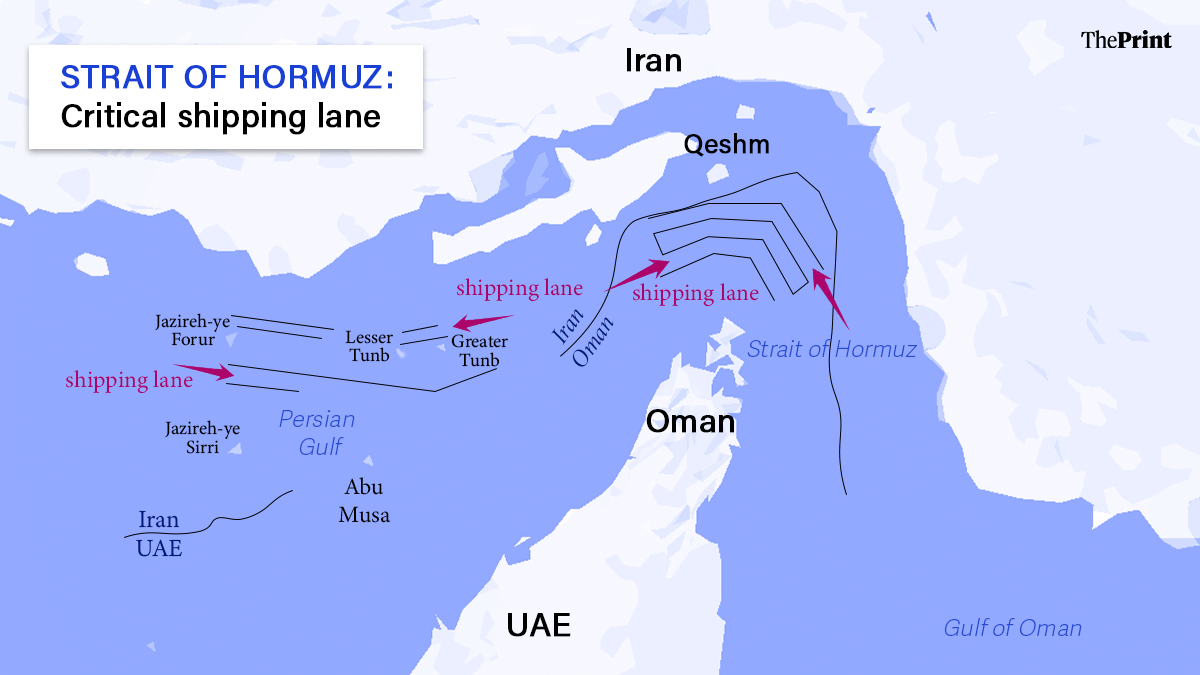
The Strait of Hormuz is not just a regional waterway. It is one of the most important shipping routes on the planet, responsible for transporting roughly 20 percent of the world’s oil and liquefied natural gas during normal times.
When this route is disrupted, the impact spreads quickly to households, industries, and governments around the globe.
What Is Happening in the Strait of Hormuz Right Now
The crisis began after escalating military tensions in the Middle East earlier this year. Since then, both sides have taken steps that have severely restricted maritime movement.
Recent shipping data shows the scale of disruption:
- Only five to seven ships passed through the strait in a single day
- Normally, about 125 to 140 ships cross daily
- Hundreds of vessels and thousands of sailors remain stranded
This dramatic drop in traffic has effectively created one of the largest oil supply disruptions in modern history.
Even when limited shipping resumes, experts believe normal operations could take months to restore.
Why the Strait of Hormuz Is So Important to the Global Economy
A Critical Energy Lifeline
The Strait connects major oil-producing countries in the Middle East to global markets in Asia, Europe, and beyond.
Key facts about the route:
- Handles a large share of global oil exports
- Supplies energy to major economies
- Supports international trade and transportation
Because fuel powers almost every part of modern life, any disruption in this route can quickly affect:
- Petrol and diesel prices
- Food transportation costs
- Airline ticket prices
- Manufacturing and logistics
Recent market data shows oil prices rising sharply as the crisis continues, with Brent crude climbing above $112 per barrel, reflecting growing supply concerns.
United Nations and Global Institutions Warn of Food Crisis Risk
One of the biggest concerns emerging from this conflict is the potential for a global food crisis.
Economic forecasts indicate:
- Energy prices could rise by around 24 percent in 2026
- Fertilizer costs may increase by over 30 percent
- Food production and crop yields could decline
These factors combined could push food prices higher, especially in developing countries that depend heavily on imports.
Experts warn that rising fuel costs directly affect food supply chains because transportation, storage, and farming all rely on energy.
How the Crisis Could Affect Everyday Life
Fuel Prices
Higher oil prices typically lead to higher fuel costs for consumers.
Possible impacts include:
- Increased petrol and diesel prices
- Higher transportation costs
- Rising electricity bills
Food Prices
Food costs are closely linked to fuel costs.
Potential effects:
- Higher grocery prices
- Reduced availability of imported food
- Increased inflation
Travel and Transport
The aviation and shipping industries are already feeling the pressure.
Airlines have reported significant increases in jet fuel costs, forcing some companies to raise ticket prices and reduce flight capacity.
Global Supply Chains Under Pressure
The Strait of Hormuz crisis is not just about oil. It also affects the broader global supply chain.
When shipping slows down, businesses face delays in receiving raw materials and goods.
Industries most affected include:
- Energy and fuel
- Agriculture
- Manufacturing
- Retail and logistics
Companies across multiple sectors have warned that the ongoing conflict is increasing costs and creating uncertainty for future operations.
Why Some Countries Are Struggling to Resolve the Crisis
Diplomatic efforts to reopen the shipping route have faced major obstacles.
Key challenges include:
- Political disagreements between major powers
- Security concerns in the region
- Lack of consensus on peace proposals
Reports indicate that negotiations between the United States and Iran have stalled, raising fears of long-term disruptions in global trade.
Without a stable agreement, the situation could continue to affect markets and supply chains worldwide.
5 Big Risks the World Is Watching Right Now
1. Sudden Fuel Price Spike
Energy markets remain highly sensitive to developments in the conflict.
2. Food Supply Shortages
Higher transportation costs could reduce food availability in some regions.
3. Inflation Surge
Rising prices for fuel and goods could increase inflation globally.
4. Shipping Delays
Slower maritime traffic may disrupt supply chains.
5. Economic Slowdown
Economic growth in developing countries could decline if the crisis continues.
These risks highlight why the Strait of Hormuz situation is being closely monitored by governments and financial institutions.
Latest Updates on the Strait of Hormuz Crisis
- Shipping traffic remains significantly reduced
- Oil prices continue to rise amid supply concerns
- Diplomatic negotiations are ongoing but uncertain
- Global markets remain volatile
Analysts believe the situation will remain unstable until a long-term political solution is reached.
What Happens Next
The future of the crisis depends largely on diplomatic negotiations and security conditions in the region.
Possible scenarios include:
- Gradual reopening of the shipping route
- Continued disruption and rising prices
- New international agreements to stabilize trade
Even if the conflict ends soon, experts warn that restoring normal shipping operations could take several months due to safety and security concerns.
Final Thoughts
The Strait of Hormuz conflict has evolved into a global economic and supply chain crisis with far-reaching consequences. From fuel prices to food costs, the effects are already being felt in many parts of the world.
As tensions continue and shipping remains disrupted, governments, businesses, and consumers are closely watching developments. The coming weeks will be critical in determining whether the world can avoid a larger economic shock in 2026.



0 Comments