
India’s New Ethanol Fuel Plan Could Change How Vehicles Run in 2026
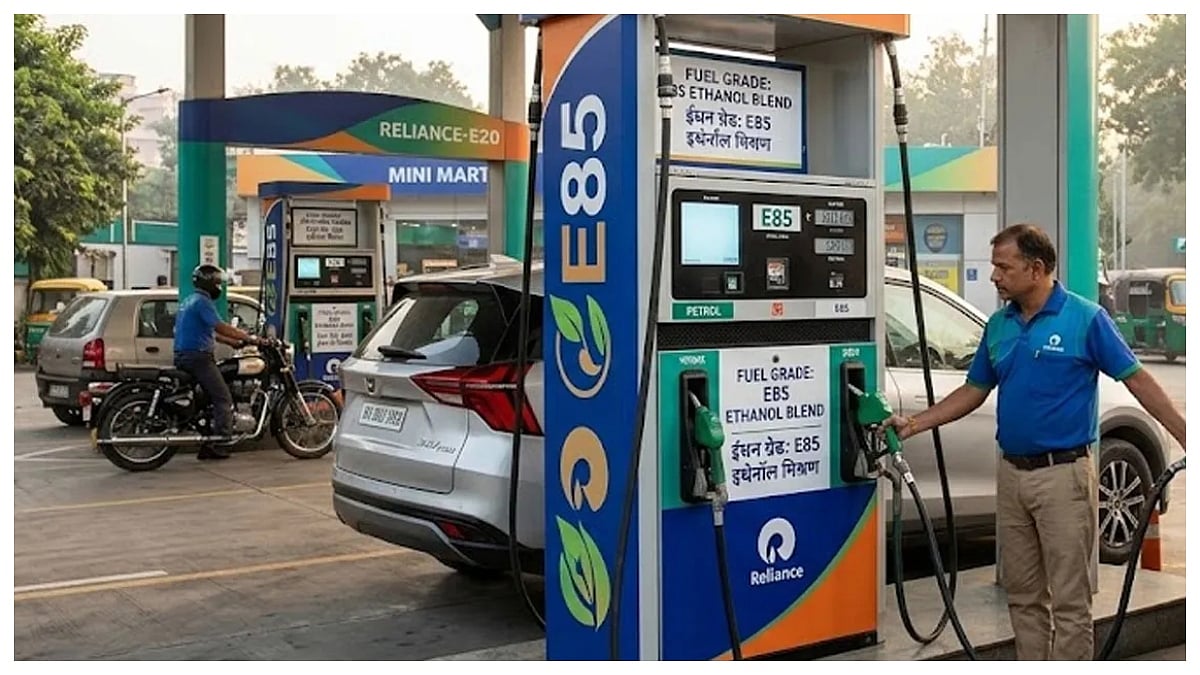
The India ethanol fuel policy 2026 is becoming one of the most talked-about developments in the automobile and energy sectors this year. The government has proposed new rules to allow vehicles to run on high-ethanol fuels such as E85 and E100, marking a major shift in the country’s fuel system. This move aims to reduce dependence on imported petroleum, promote cleaner energy, and strengthen India’s energy security. With rising global fuel prices and supply disruptions, the proposal has quickly become a trending topic among vehicle owners, industry experts, and environmental groups across India.
According to recent government notifications, the Ministry of Road Transport and Highways has issued draft amendments to the Central Motor Vehicles Rules to officially permit the use of higher ethanol-blended fuels in vehicles, and public feedback has been invited before a final decision is made.
What Are E85 and E100 Fuels and Why Are They Important
Understanding the New Fuel Types
The proposed fuel system introduces two key fuel categories:
- E85: Fuel containing about 85 percent ethanol and 15 percent petrol
- E100: Fuel made of nearly pure ethanol
These fuels are part of a larger transition toward cleaner and locally produced energy sources.
India has already achieved a nationwide rollout of E20 petrol, which contains 20 percent ethanol, and the new proposal represents the next phase of the country’s biofuel strategy.
Why India Is Pushing for Higher Ethanol Fuel
Reducing Dependence on Imported Oil
One of the biggest reasons behind the new policy is India’s heavy reliance on imported crude oil.
Key facts:
- India imports a large share of its fuel needs
- Global oil prices remain unstable due to geopolitical tensions
- Domestic ethanol production can reduce import costs
The government believes increasing ethanol usage will help protect the economy from sudden fuel price shocks and supply disruptions.
Environmental Benefits: A Cleaner Fuel Option
Lower Emissions and Greener Transport
Ethanol is considered a cleaner alternative to traditional petrol because it produces fewer harmful emissions.
Potential environmental benefits include:
- Reduced carbon emissions
- Lower air pollution
- Support for renewable energy
- Improved sustainability
Experts say ethanol-based fuels can play an important role in India’s climate goals and long-term environmental planning.
At the same time, the shift toward ethanol also supports farmers because ethanol is often produced from crops like sugarcane and maize, increasing demand for agricultural products.
Will All Vehicles Be Able to Use E85 or E100 Fuel
Important Warning for Vehicle Owners
Not every vehicle will be able to use these new fuels immediately.
Only flex-fuel vehicles designed to handle higher ethanol content will be compatible with E85 or E100.
Key points:
- Regular petrol vehicles may not support high ethanol blends
- Special engines are required for flex-fuel technology
- Older vehicles could face performance issues
Experts and industry groups have raised concerns about the readiness of existing vehicles and infrastructure for higher ethanol levels.
This means the transition will likely happen gradually rather than suddenly.
How the New Fuel Policy Could Affect Petrol Prices
Possible Impact on Daily Expenses
Fuel prices are one of the biggest concerns for consumers, and the new policy could influence costs in several ways.
Possible effects include:
- Reduced dependence on expensive imported oil
- Potential long-term price stability
- Changes in fuel production and supply costs
However, experts say the exact impact on petrol prices will depend on production capacity, government subsidies, and global energy markets.
Timeline: India’s Ethanol Journey So Far
India’s ethanol program has expanded rapidly over the past few years.
Major Milestones
- 2022: Nationwide rollout of E10 fuel
- 2025: Target achieved for E20 petrol blending
- 2026: Proposal introduced for E85 and E100 fuels
- Future: Gradual expansion of flex-fuel vehicles
This timeline shows how quickly the country is moving toward alternative fuels.
India achieved the E20 target earlier than originally planned, demonstrating rapid progress in ethanol adoption.
Challenges and Concerns Around the New Fuel System
While the policy offers many benefits, it also brings several challenges.
Key Issues Being Discussed
- Vehicle compatibility
- Fuel infrastructure readiness
- Maintenance costs
- Consumer awareness
- Supply chain capacity
Automobile manufacturers have asked for support measures to help manage the transition to new fuel technologies, highlighting the complexity of implementing such a large-scale change.
Why This Policy Has High Viral Potential
This topic is gaining attention because it directly affects everyday life.
Reasons People Are Talking About It
- It impacts vehicles and fuel costs
- It involves national energy policy
- It relates to environmental sustainability
- It could change the future of transportation
Whenever a policy touches daily expenses like fuel, it naturally becomes a major public discussion.
Latest Updates on the Ethanol Fuel Plan
- Draft rules for E85 and E100 fuels have been released
- Public comments are being collected before final approval
- Flex-fuel vehicles are expected to be introduced gradually
- The policy aims to strengthen energy security
These developments indicate that the government is moving steadily toward a new fuel system, but implementation will happen in phases.
What Happens Next
The next steps in the process include:
- Reviewing public and industry feedback
- Finalizing the fuel regulations
- Expanding production of ethanol
- Increasing availability of compatible vehicles
Experts believe the full transition to high-ethanol fuels could take several years, depending on infrastructure development and market readiness.
Final Thoughts
India’s plan to introduce E85 and E100 ethanol fuel represents a significant shift in the country’s energy and transportation strategy. The move is designed to reduce dependence on imported oil, support domestic agriculture, and promote cleaner fuel alternatives.
While challenges remain, the proposal signals a clear direction for the future of vehicles in India. As technology evolves and infrastructure improves, ethanol-based fuels could become a major part of everyday transportation in the coming years.



0 Comments