
India’s New AI Law Plan Signals Major Shift in Technology Regulation in 2026
The India AI laws 2026 initiative is rapidly becoming one of the most important technology and government policy developments in the country. The Indian government is preparing a unified legal framework to regulate artificial intelligence companies and ensure AI systems operate safely and responsibly. The proposed rules could introduce mandatory testing environments, clearer accountability for developers, and stronger oversight of AI applications. With artificial intelligence expanding into banking, healthcare, education, and public services, the move is expected to have a long-term impact on businesses, technology companies, and everyday users across India.
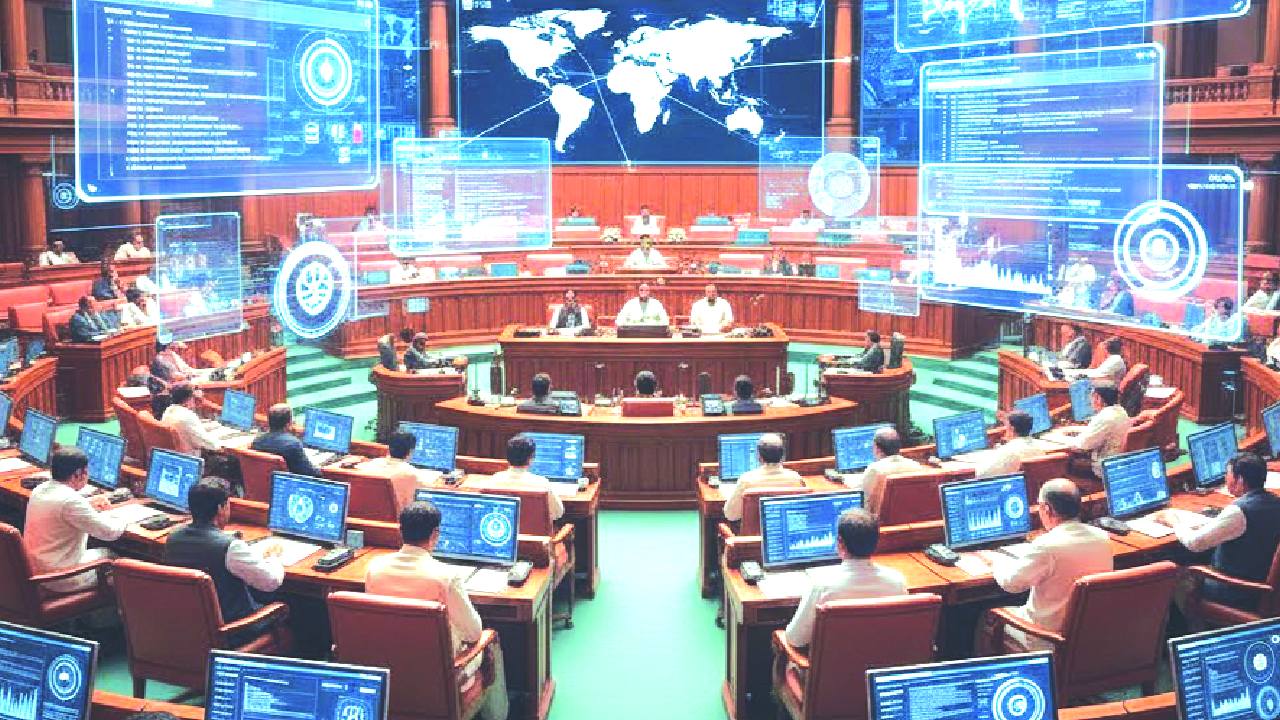
Officials and policymakers have emphasized that the goal is not to slow innovation but to build trust in emerging technologies while protecting citizens from potential risks.
Why India Is Planning New AI Laws Right Now
Rapid Growth of Artificial Intelligence Across Sectors
Artificial intelligence is growing quickly in India, becoming part of many industries and government services.
Recent developments show:
- AI is being used in banking, healthcare, and education
- Government agencies are adopting AI for public services
- Private companies are investing heavily in AI technology
Experts say this rapid growth requires clear rules to ensure safety and accountability.
Finance Minister Nirmala Sitharaman recently warned that advanced AI systems could create new cybersecurity risks, highlighting the need for stronger regulatory frameworks to protect financial systems.
This warning has increased urgency around developing a comprehensive legal structure for artificial intelligence.
What the New AI Regulations Could Include
Key Features Being Discussed
The proposed AI framework is expected to introduce several important rules.
Possible elements include:
1. Testing Environments for AI Systems
Companies may be required to test AI tools in controlled settings before public release.
2. Clear Accountability for Developers
Developers and companies could be held responsible for errors or misuse of AI technology.
3. Safety and Risk Assessments
AI systems may need to pass safety checks before deployment.
4. Transparency Requirements
Organizations might have to explain how AI systems make decisions.
5. Data Protection Standards
Strict rules could be introduced to protect user information.
These measures aim to balance innovation with safety, ensuring technology benefits society without creating new risks.
How the New AI Law Could Affect Technology Companies
Big Changes Expected for the Tech Industry
The proposed regulations could significantly reshape how technology companies operate in India.
Possible impacts include:
- More compliance requirements for AI developers
- Increased investment in safety and testing
- Greater transparency in AI operations
- Stronger government oversight
Industry experts believe companies that adapt early will benefit from improved public trust and smoother regulatory approval.
India has already brought major digital platforms into formal compliance structures through existing IT rules, requiring transparency reports and grievance mechanisms.
The new AI framework is expected to build on this foundation.
Impact on Everyday Users and Citizens
Why This Policy Matters to the Public
The new AI rules are not just about technology companies. They will directly affect citizens who use digital services every day.
Areas likely to be influenced include:
- Online banking security
- Social media platforms
- Digital education tools
- Healthcare services
- Government services
Stronger regulations could reduce risks such as data misuse, misinformation, and system errors.
India’s Long-Term Vision for Artificial Intelligence
Balancing Innovation and Responsibility
India is positioning itself as a global leader in artificial intelligence while ensuring responsible use of technology.
Government initiatives show:
- Investment in domestic AI development
- Support for local startups
- Focus on safe and reliable technology
India’s national AI strategy includes building indigenous AI models and expanding digital infrastructure to support economic growth and innovation.
Experts believe responsible regulation will play a crucial role in achieving these goals.
Global Context: Why Countries Are Regulating AI
India is not alone in introducing AI laws. Governments worldwide are working on similar frameworks.
Reasons include:
- Rising cybersecurity threats
- Ethical concerns about AI decisions
- Need for consumer protection
- Rapid technological change
International cooperation and regulation are becoming essential as artificial intelligence continues to expand globally.
Challenges in Creating AI Regulations
Complex Technology Requires Careful Policy
Developing AI laws is not simple. Policymakers must address several challenges.
Key issues include:
- Defining responsibility for AI errors
- Keeping rules updated with fast-changing technology
- Protecting privacy without limiting innovation
- Ensuring fair use of data
Experts warn that overly strict regulations could slow innovation, while weak rules could increase risks.
Latest Updates on India’s AI Regulation Plans
- Government is working on a unified AI legal framework
- Industry consultations and expert discussions are ongoing
- Focus is on safety, accountability, and transparency
- Final regulations are expected after stakeholder feedback
Recent policy discussions at national technology forums have highlighted the need for responsible governance and digital transformation in India.
These conversations indicate strong momentum toward formal AI regulation.
What Happens Next
The next steps in the policy process are expected to include:
- Drafting detailed legal guidelines
- Public and industry consultations
- Pilot testing of regulatory mechanisms
- Gradual implementation of rules
Experts believe the full rollout of AI regulations will happen in phases over the next few years.
Final Thoughts
India’s plan to introduce new AI laws and regulations marks a major step toward responsible technology development. As artificial intelligence becomes more powerful and widespread, clear rules will be essential to protect users, support innovation, and maintain public trust.
The upcoming framework is expected to shape the future of technology in India, influencing businesses, developers, and citizens alike. In 2026, the country stands at a turning point where technology growth and regulation must move forward together.



0 Comments